Vaer Dirty Dozen (40mm)vsSeiko Astron GPS Solar 2026 Limited Edition
The numbers, the dial colors, the calibers — laid out so you can stop flipping between tabs.
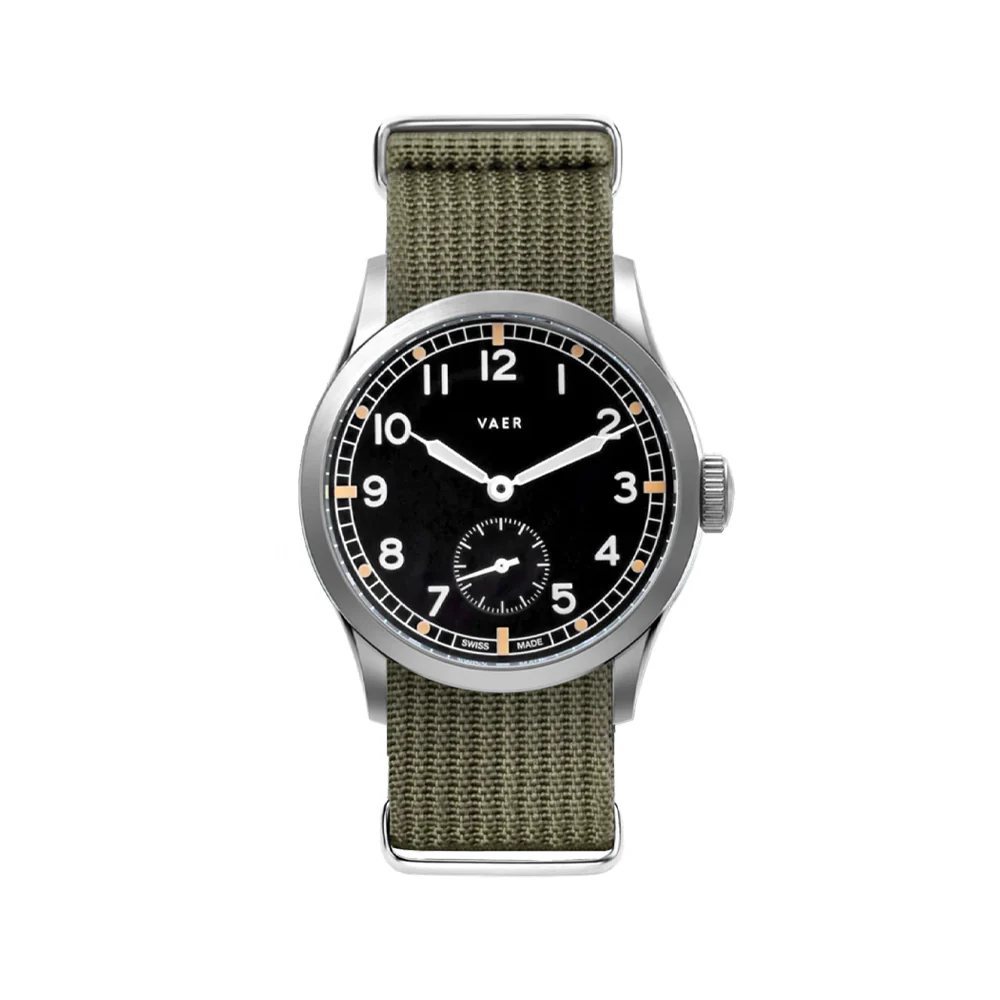
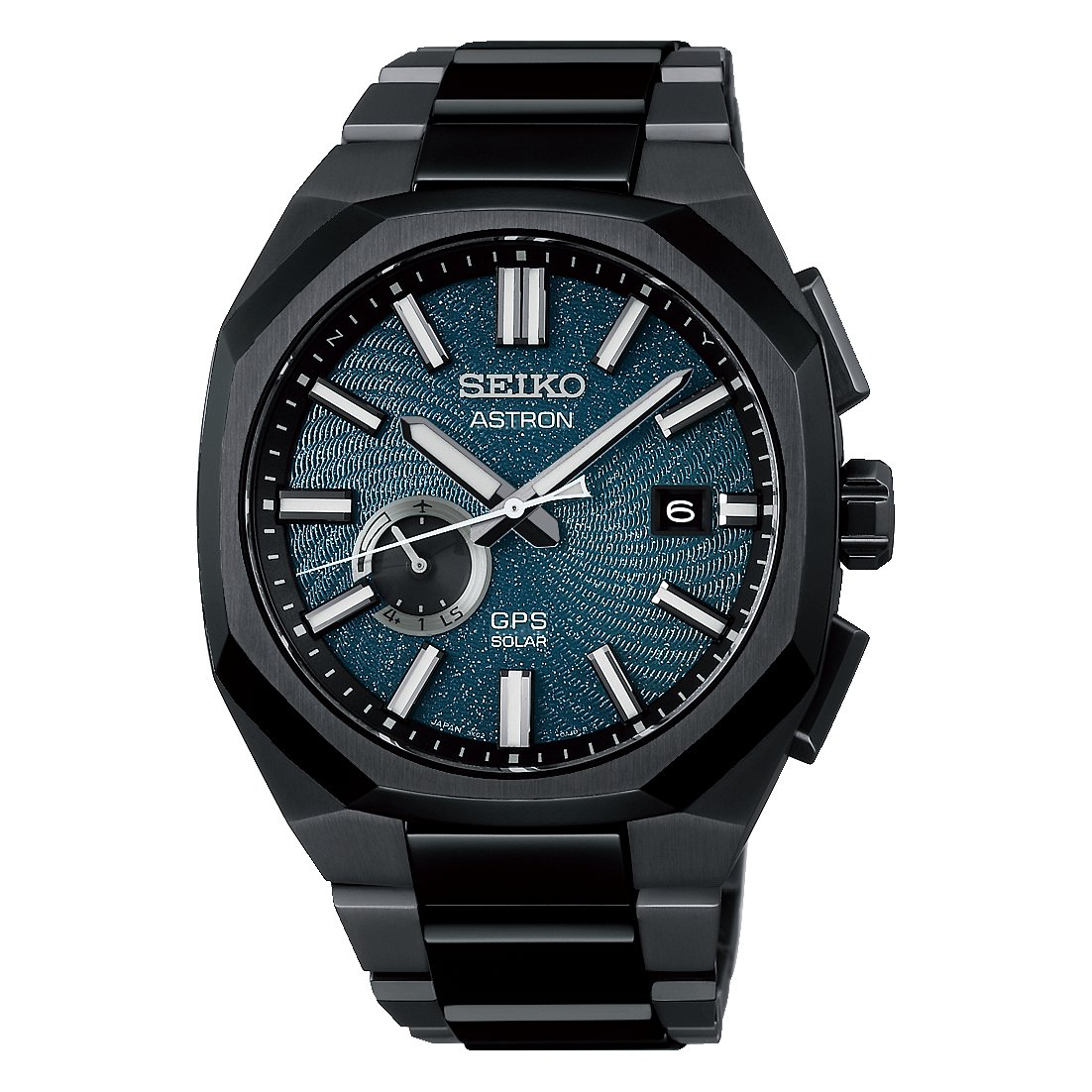
At a glance
12 of 29 specs differFull specifications
Case
6 specsCrystal & Dial
3 specsMovement
2 specsPricing
1 specsFollow this matchup
Get a note when Vaer Dirty Dozen (40mm) vs Seiko Astron GPS Solar 2026 Limited Edition gets more votes, a community discussion, or a price drop. No account needed.
Owners + reviewers, side by side
Synthesized for each watch independently from owner discussions, enthusiast forums, written reviews, and video reviewers.
The Vaer Dirty Dozen (40mm) is praised for its nice case design and thin profile, making it wear flat. On balance, owners rate the Vaer Dirty Dozen (40mm) highly for its comfortable wearability due to its thin case.
The Seiko Astron GPS Solar 2026 Limited Edition is noted for its advanced GPS timekeeping that automatically updates time and date via satellite signals, powered by light to eliminate battery changes. Owners appreciate its design and texture, and the legible dial despite its complexity, with one owner preferring its less overloaded appearance over other Astron models. However, the GPS function requires a clear outdoor line-of-sight to the sky for reception, which can be an issue indoors or in dense urban environments, and DST is not implemented. The watch is priced over $2,000, and while it features a perpetual calendar, it only displays the date. Overall, owners and reviewers find the Seiko Astron GPS Solar 2026 Limited Edition a functional and appealing watch, particularly for its automatic timekeeping and solar power, though its GPS reception limitations and price point are noted considerations.
More watches worth a look
Matched to the watches above on size, movement, style and price — microbrands first. Open any one to dig in.




People also compared
Comparisons nearby in the catalog — alternatives to the watches above paired against the matchup.