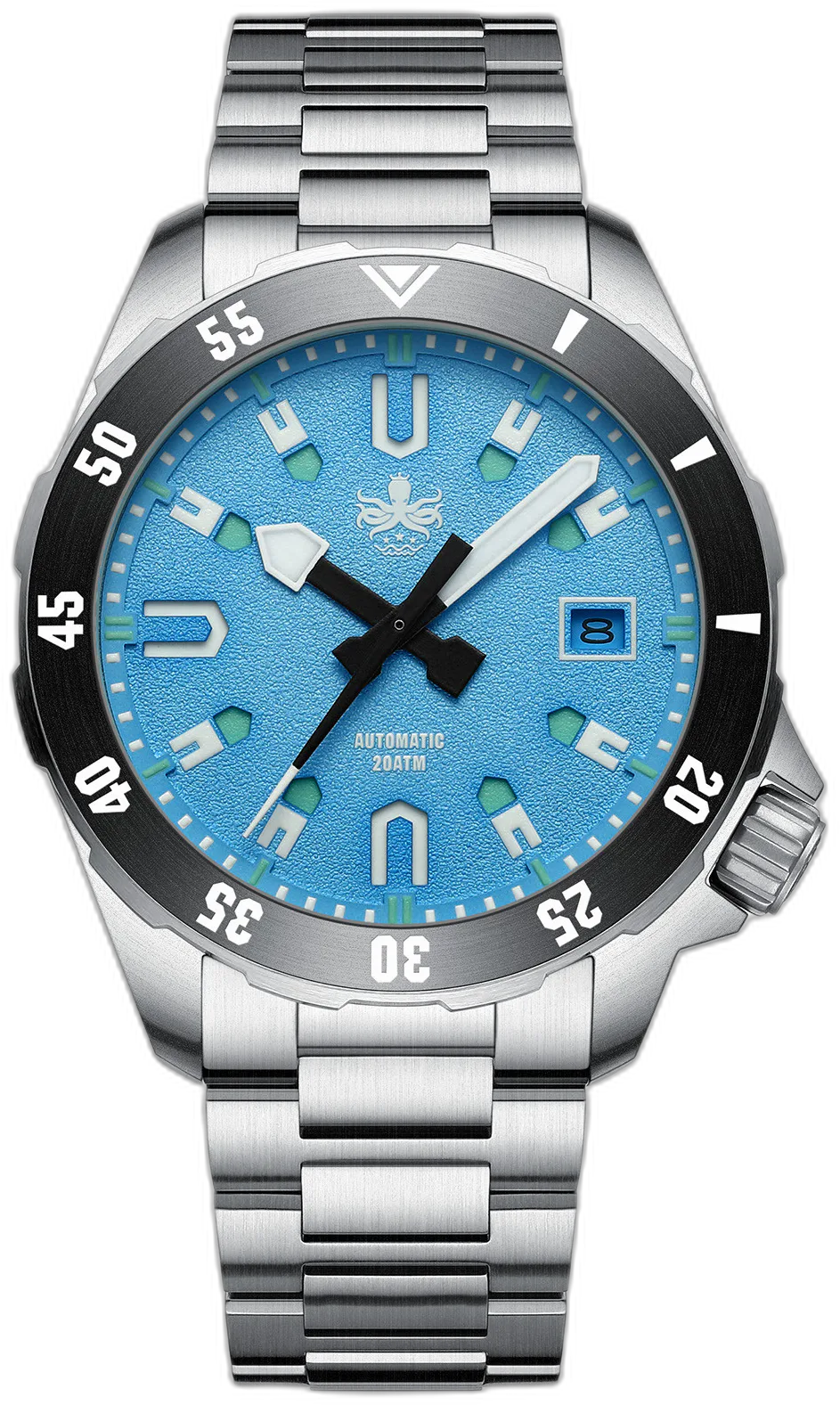
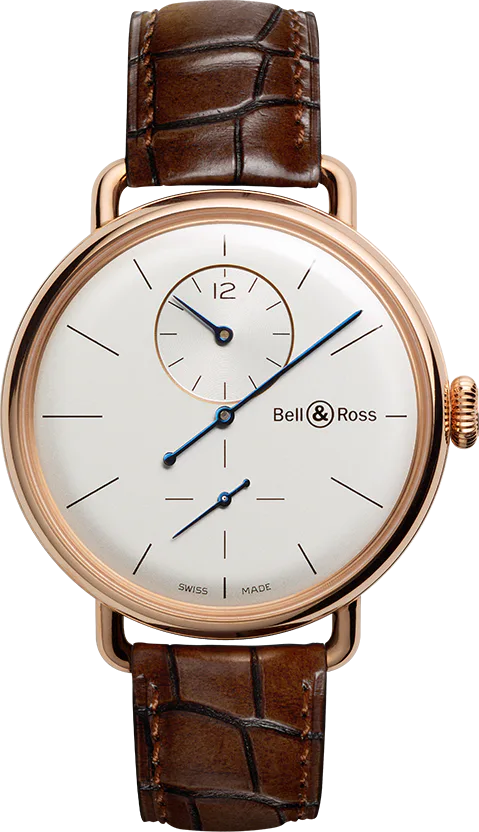
Phoibos ApollovsBell & Ross WW1 HEURE SAUTANTE PLATINUM
The numbers, the dial colors, the calibers — laid out so you can stop flipping between tabs.
At a glance
21 of 29 specs differFull specifications
Case
9 specsCrystal & Dial
6 specsMovement
5 specsPricing
1 specsFollow this matchup
Get a note when Phoibos Apollo vs Bell & Ross WW1 HEURE SAUTANTE PLATINUM gets more votes, a community discussion, or a price drop. No account needed.
Owners + reviewers, side by side
Synthesized for each watch independently from owner discussions, enthusiast forums, written reviews, and video reviewers.
The Phoibos Apollo is widely praised for its unique design, outstanding lume, and lightweight titanium build, with owners highlighting its comfortable 41mm wearability and value powered by a Miyota 9015 movement. Some find the "rocket" hand design hinders quick time-telling, and the bracelet does not taper. A few owners consider its price point high relative to other titanium and bronze offerings. Overall, owners rate the Phoibos Apollo highly for its distinctive aesthetic and excellent lume at the price.
The Bell & Ross WW1 HEURE SAUTANTE PLATINUM is noted for its elegant and conservative display of time, featuring a jumping hour complication with an instant jump executed by Vincent Calabrese. Reviewers highlight its striking looks and the 42mm platinum case with a gray dial. A power reserve indicator disc is present, though a seconds subdial is absent. One reviewer found the Bell & Ross logo at 3 o'clock to be slightly too large. Overall, reviewers praise the Bell & Ross WW1 HEURE SAUTANTE PLATINUM for its sophisticated jumping hour complication and refined aesthetic.
More watches worth a look
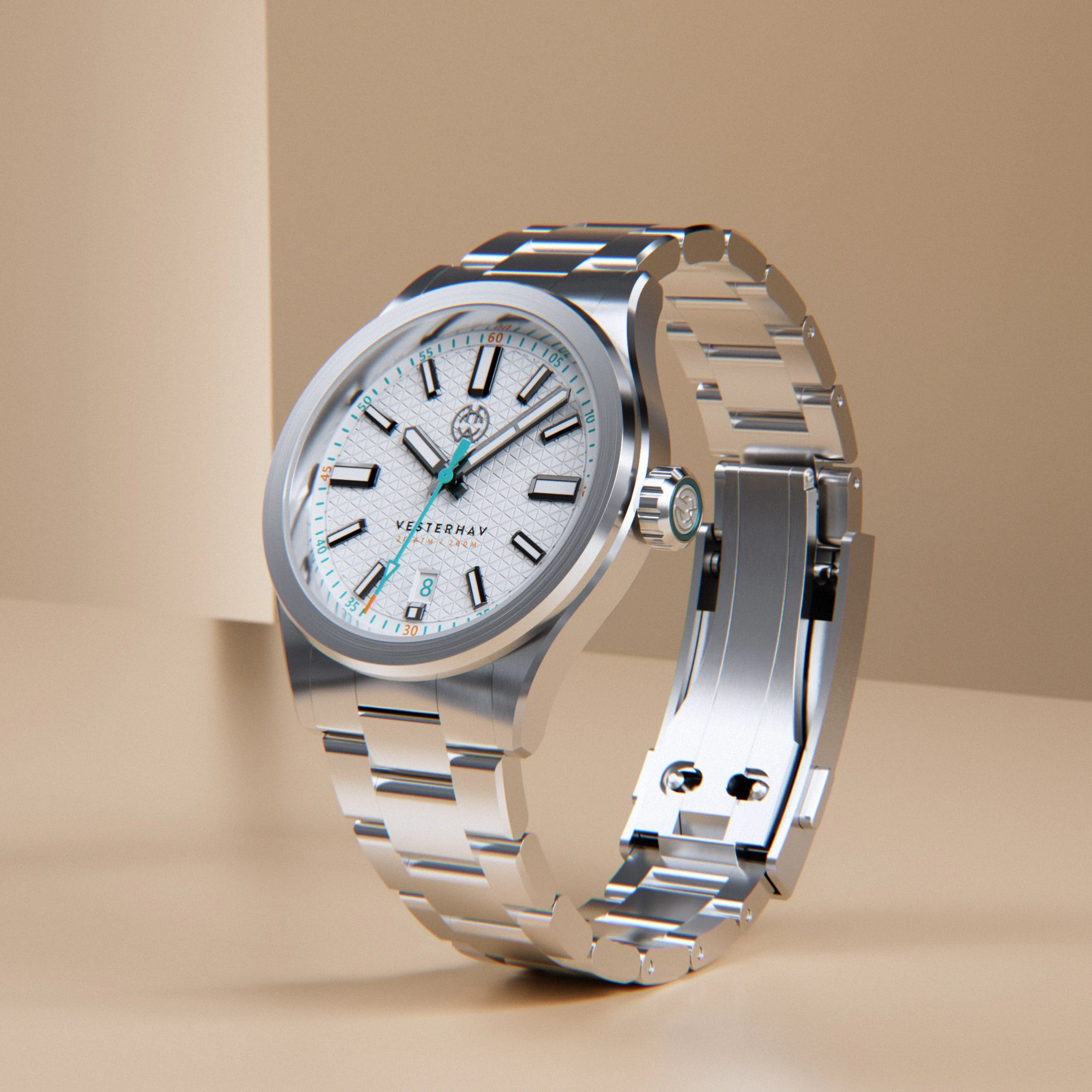
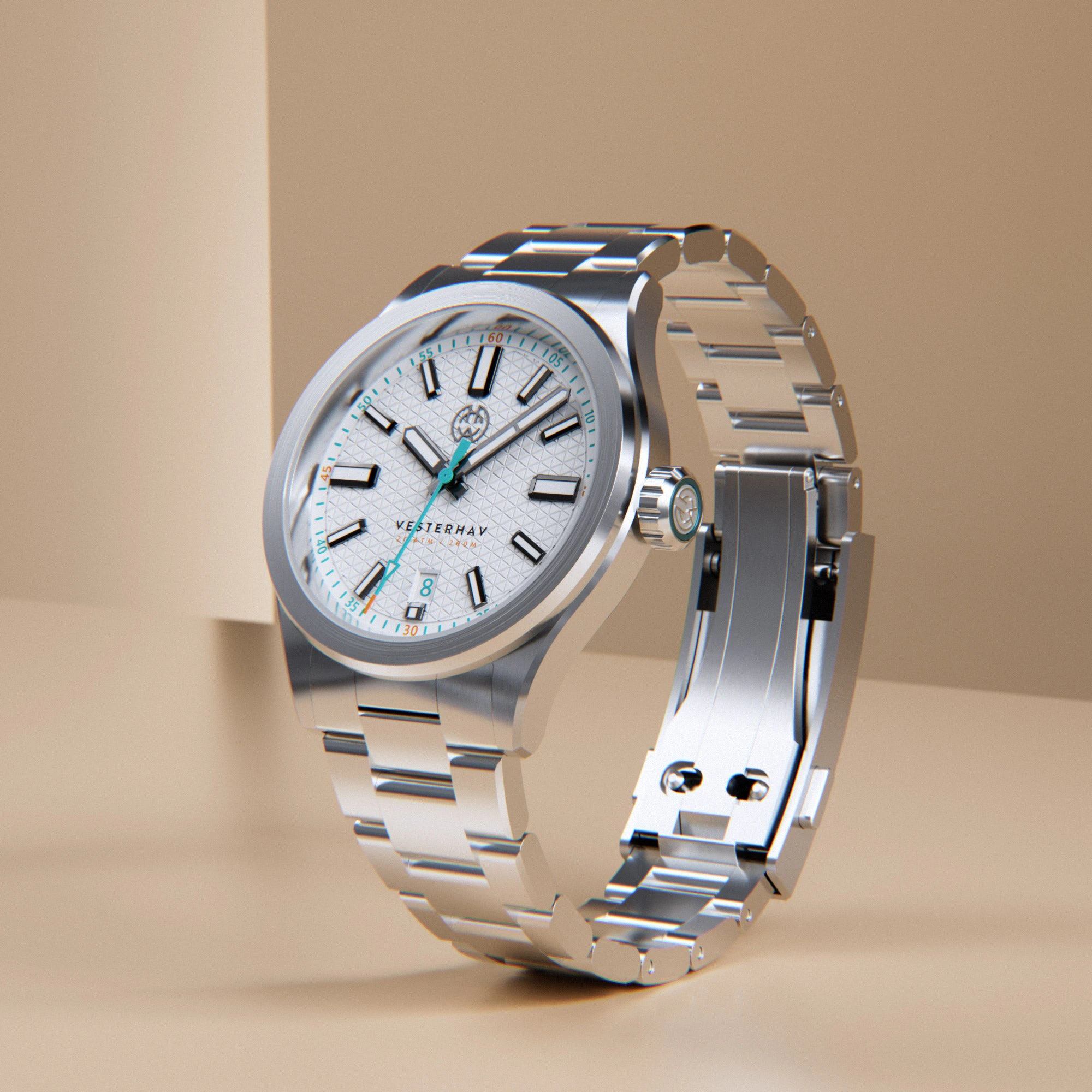
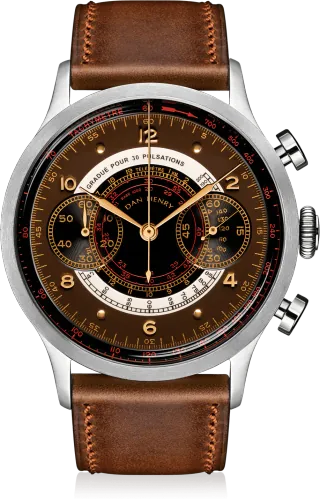
Matched to the watches above on size, movement, style and price — microbrands first. Open any one to dig in.



People also compared
Comparisons nearby in the catalog — alternatives to the watches above paired against the matchup.