Marathon MSAR (Medium Search & Rescue) Diver's AutomaticvsSeiko Astron
The numbers, the dial colors, the calibers — laid out so you can stop flipping between tabs.

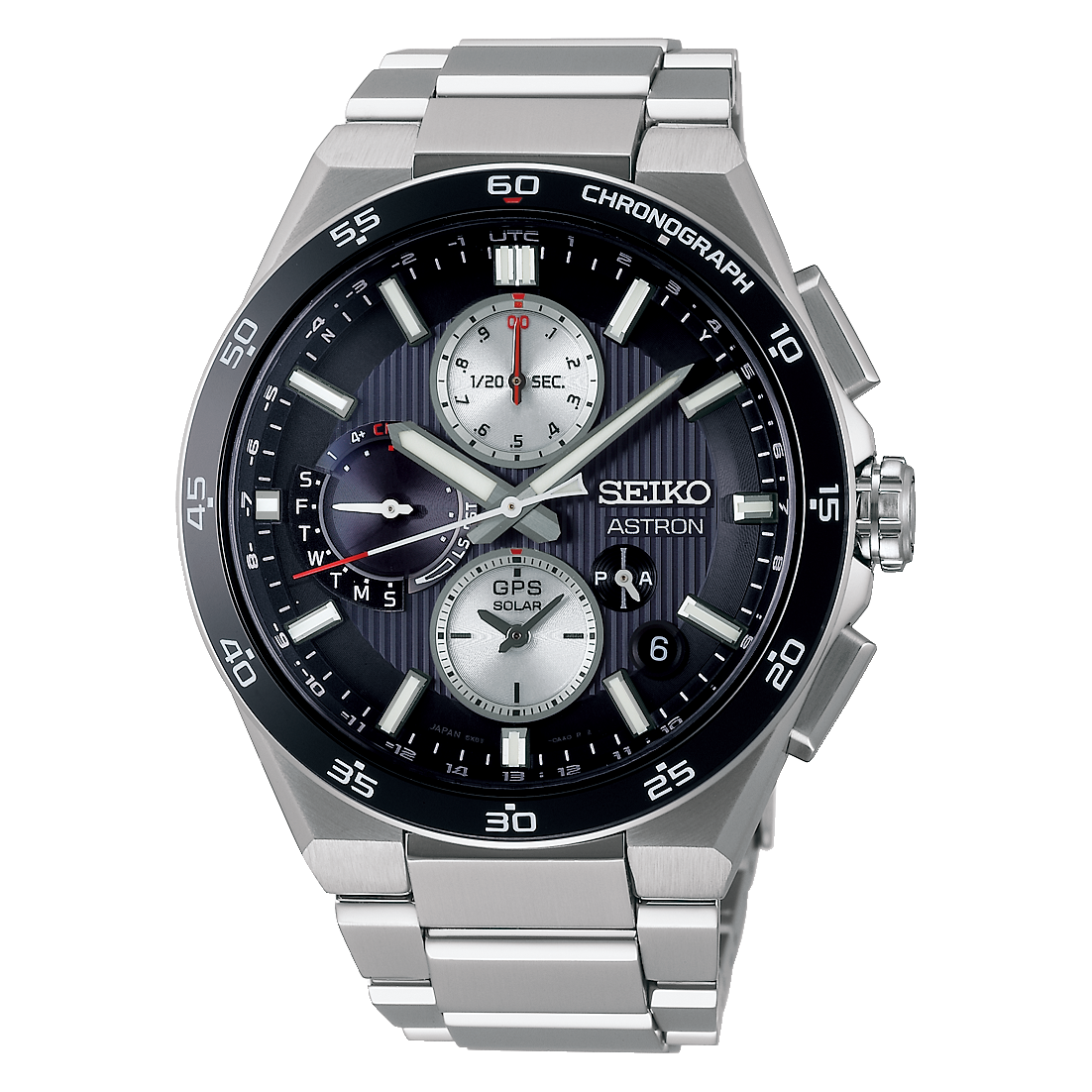
At a glance
15 of 29 specs differFull specifications
Case
7 specsCrystal & Dial
4 specsMovement
3 specsPricing
1 specsFollow this matchup
Get a note when Marathon MSAR (Medium Search & Rescue) Diver's Automatic vs Seiko Astron gets more votes, a community discussion, or a price drop. No account needed.
Owners + reviewers, side by side
Synthesized for each watch independently from owner discussions, enthusiast forums, written reviews, and video reviewers.
The Marathon MSAR (Medium Search & Rescue) Diver's Automatic is lauded for its utilitarian, no-nonsense design, exceptional tritium lume for visibility, and comfortable 41mm wearability. Reviewers highlight its robust build, meeting ISO 6425 dive watch standards and approved for military use, demonstrating durability during demanding activities. One reviewer notes the stock rubber strap requires modification for a proper fit. Overall, reviewers rate the Marathon MSAR (Medium Search & Rescue) Diver's Automatic highly for its focus on utility and ruggedness at its price point.
The Seiko Astron is widely praised for its advanced timekeeping technology, including GPS and radio wave synchronization, offering grab-and-go convenience and exceptional accuracy, with some users reporting +/- 15 seconds per month or even 1/2 second per day for its autonomous quartz movement. Owners appreciate its well-finished titanium cases and bracelets, detailed dials with high-contrast markers, and lightweight, comfortable wearability. However, some find the price point of around $2,000 to $2,400 expensive, noting that GPS sync works best outdoors and that certain models lack screw-down casebacks, impacting water resistance. The lume is described as sparse on some models, and recessed buttons require tools to operate. Overall, owners and reviewers rate the Seiko Astron highly for its cutting-edge technology and comfortable, well-finished design, with the value proposition becoming more compelling when models are found at a discount.
The watch's automatic time zone adjustment via GPS is a notable feature. The watch's solar-powered charging system can take up to 6 months to fully charge, which may not be ideal for users who need a quick power boost.
More watches worth a look
Matched to the watches above on size, movement, style and price — microbrands first. Open any one to dig in.




People also compared
Comparisons nearby in the catalog — alternatives to the watches above paired against the matchup.