Tudor 1926 36mm AutomaticvsVario 1918 Medic Brass
The numbers, the dial colors, the calibers — laid out so you can stop flipping between tabs.
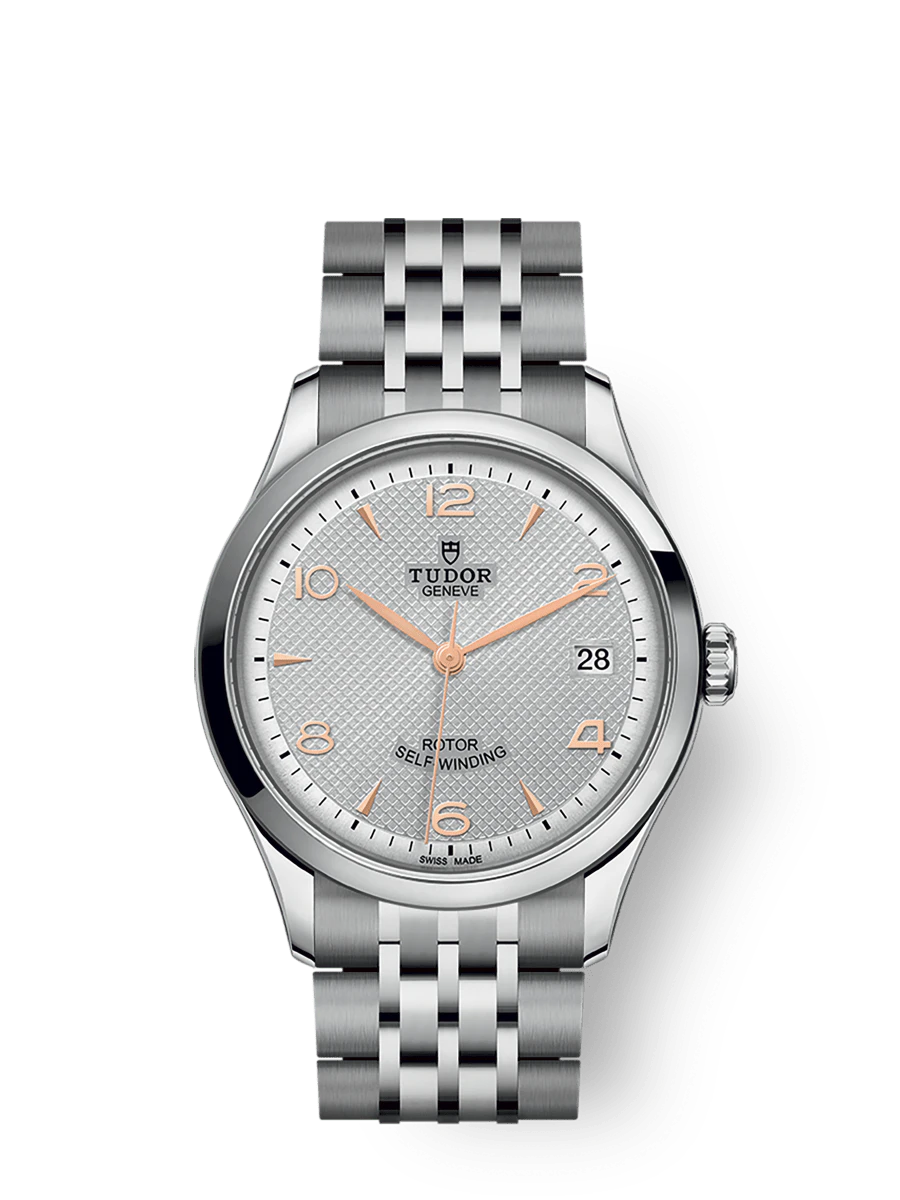
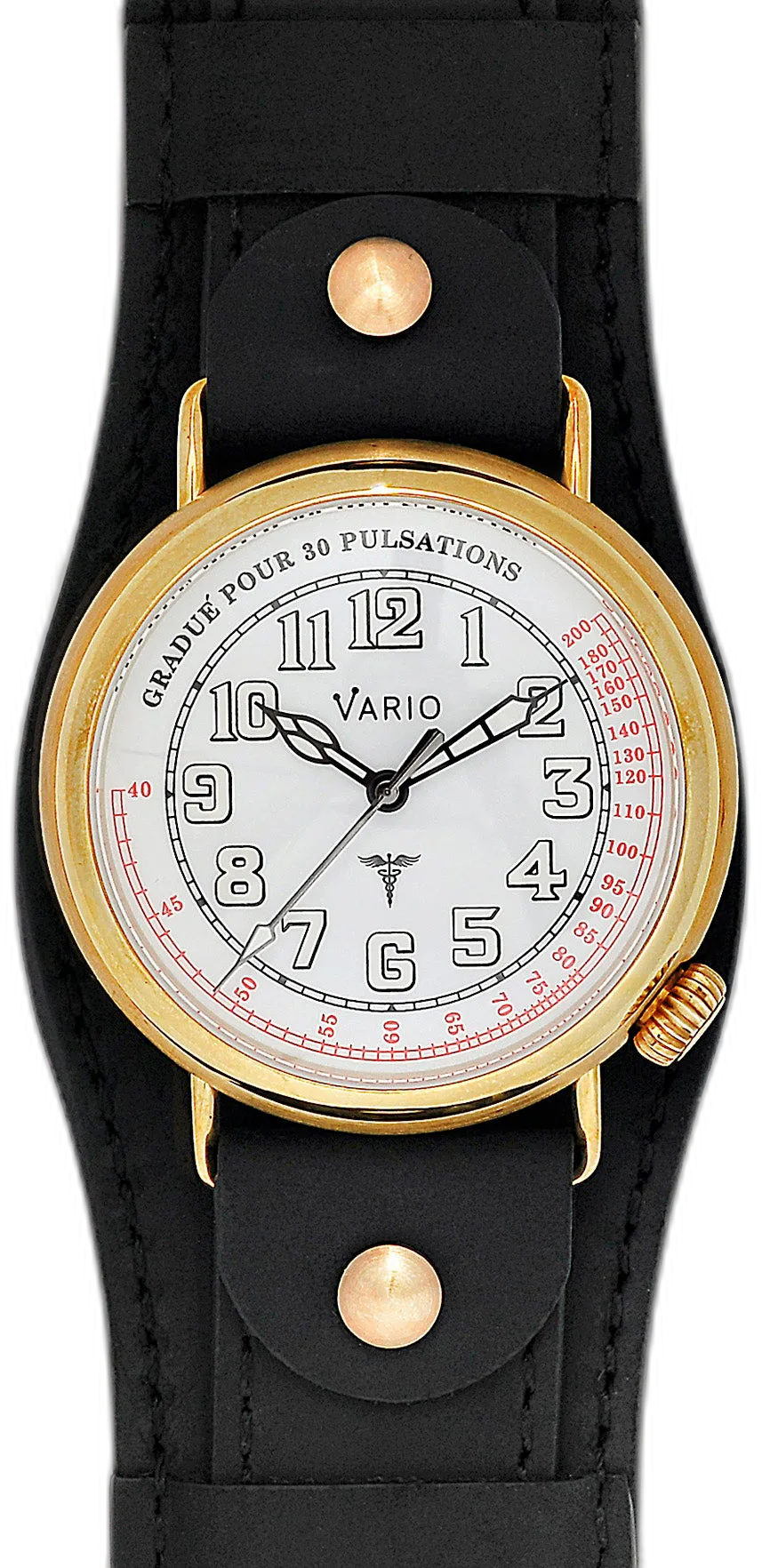
At a glance
13 of 29 specs differFull specifications
Case
8 specsCrystal & Dial
2 specsMovement
2 specsPricing
1 specsFollow this matchup
Get a note when Tudor 1926 36mm Automatic vs Vario 1918 Medic Brass gets more votes, a community discussion, or a price drop. No account needed.
Owners + reviewers, side by side
Synthesized for each watch independently from owner discussions, enthusiast forums, written reviews, and video reviewers.
Owners widely praise the Tudor 1926 36mm Automatic for its classy, simple aesthetics and excellent fit and finish. Its thin profile, noted at 9.5mm by one owner, makes it comfortable and suitable for wearing under shirt cuffs, while its versatility lends itself well to business-casual settings. The Sellita movement is reported to run accurately, with one owner observing +2 seconds per day. Some owners consider it an ideal first luxury watch or a personal grail. One owner expressed dissatisfaction with the white date wheel. Overall, owners rate the Tudor 1926 36mm Automatic highly for its wearability and refined finishing at its price point.
Owners widely praise the Vario 1918 Medic Brass for its crisp enamel dial, easy-to-read numerals, and cathedral hands, noting the brass case develops an attractive patina over time. However, the soft brass scratches easily, and one owner found the lume to be poor. Accuracy varies, with one example running slow by about 10 seconds per day and another owner deeming the Miyota 82s5 movement just okay. On balance, owners rate the Vario 1918 Medic Brass highly for its unique dial and the evolving character of its brass case.
More watches worth a look
Matched to the watches above on size, movement, style and price — microbrands first. Open any one to dig in.
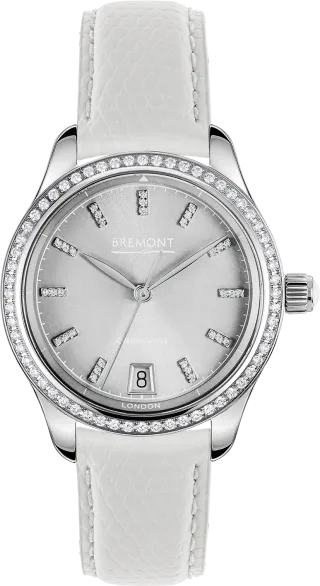
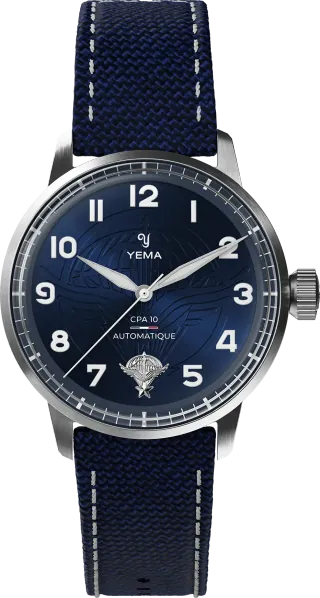
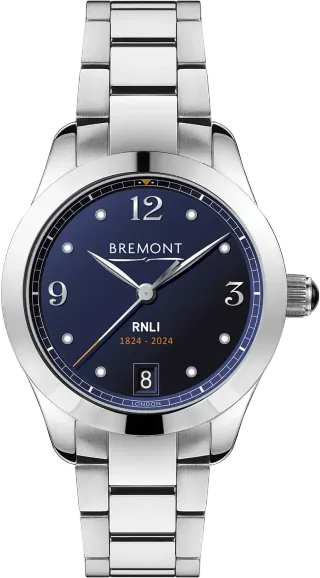
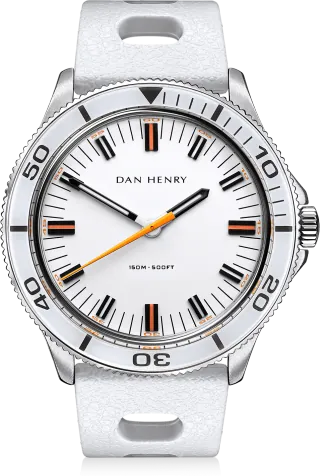
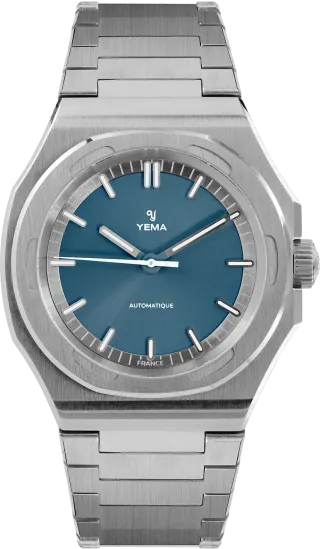


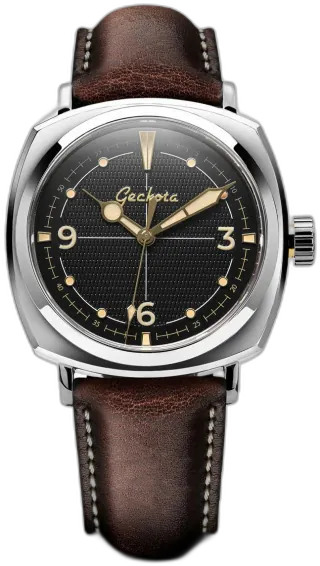
People also compared
Comparisons nearby in the catalog — alternatives to the watches above paired against the matchup.