Dan Henry 1937vsSeiko Astron
The numbers, the dial colors, the calibers — laid out so you can stop flipping between tabs.
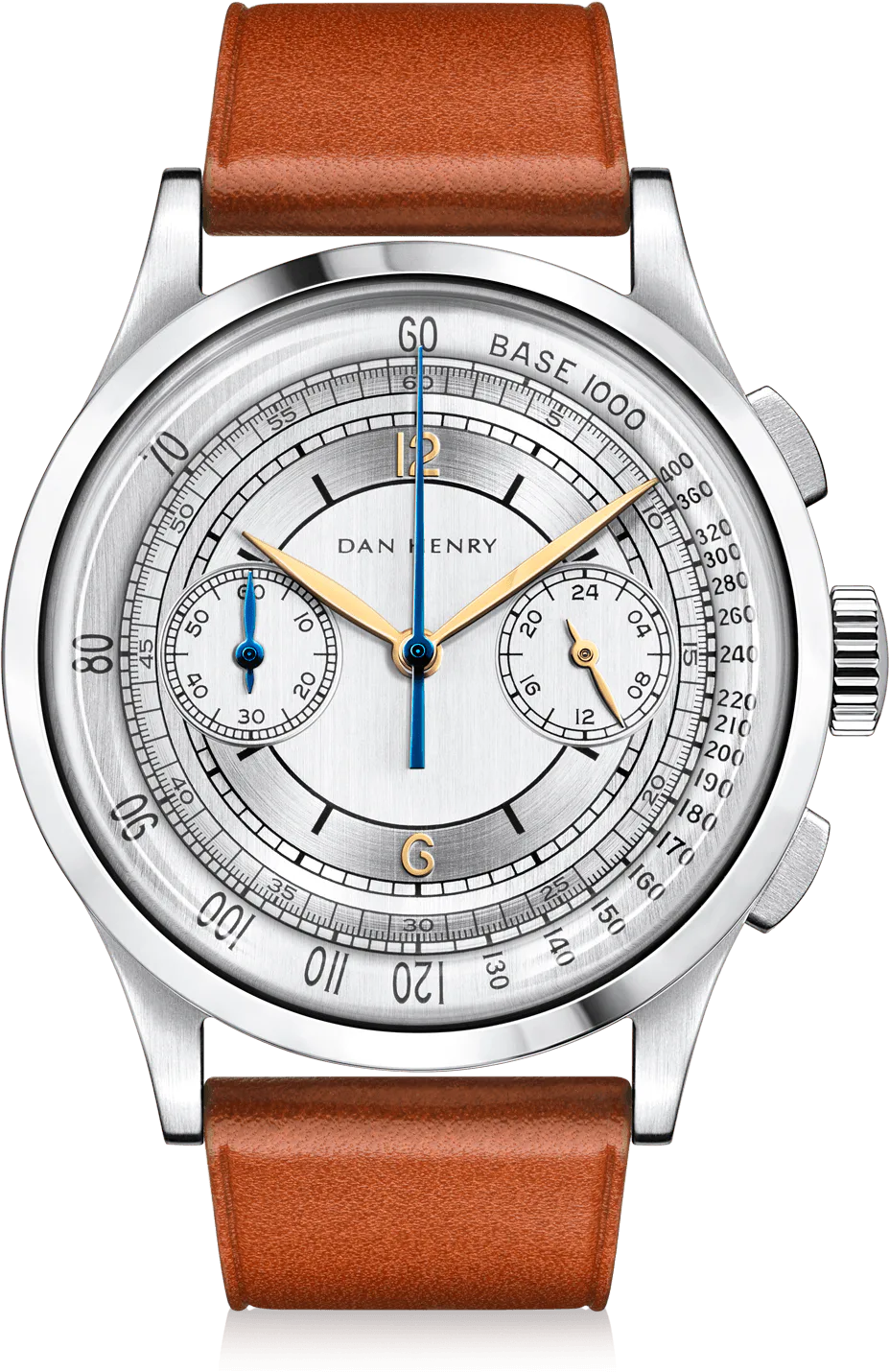
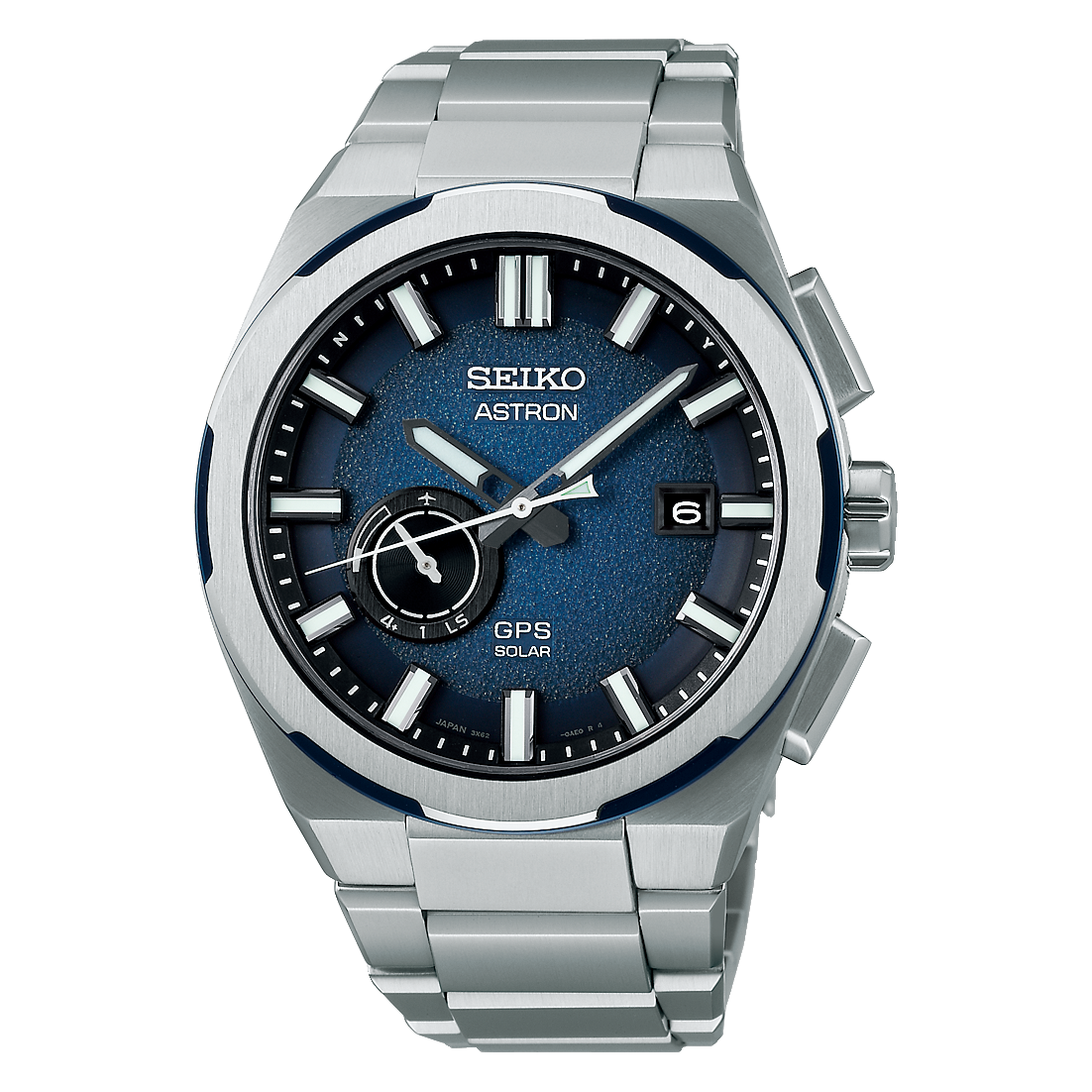
At a glance
13 of 29 specs differFull specifications
Case
7 specsCrystal & Dial
3 specsMovement
2 specsPricing
1 specsFollow this matchup
Get a note when Dan Henry 1937 vs Seiko Astron gets more votes, a community discussion, or a price drop. No account needed.
Owners + reviewers, side by side
Synthesized for each watch independently from owner discussions, enthusiast forums, written reviews, and video reviewers.
On balance, owners have mixed feelings about the Dan Henry 1937, with some finding its dial less appealing than expected while others praise its understated military aesthetic.
The Dan Henry Gold 1962 Racing Chronograph features a mecha-quartz movement, specifically the Seiko VK63, which is appreciated by reviewers. The watch's two-tone steel and yellow gold finish may be a "hit or miss" from Dan Henry, suggesting it may not be universally well-received. Reviewers disagree on whether the mecha-quartz movement is a drawback, with one reviewer noting it may not appeal to those seeking a purely mechanical movement, while others may not have mentioned this as a concern.
The Seiko Astron is widely praised for its advanced time-telling technology, including GPS and radio wave synchronization, and its self-sufficient solar-powered quartz movement. Owners appreciate the detailed and high-contrast dials, comfortable and lightweight titanium builds, and well-finished cases and bracelets. Some users report excellent accuracy, with one noting +/- 15 seconds per month, while another finds the autonomous movement's accuracy of 1/2 second per day acceptable due to easy correction via GPS sync. However, the Seiko Astron's price point is frequently cited as a drawback, with some finding it high for a quartz watch, particularly when compared to luxury or mechanical alternatives. Specific criticisms include manual DST implementation, the need for outdoor sync, sparse lume, and a minute hand that sits slightly off on one model, with accuracy of +13 sec/month being disappointing for its cost on another.
More watches worth a look
Matched to the watches above on size, movement, style and price — microbrands first. Open any one to dig in.
People also compared
Comparisons nearby in the catalog — alternatives to the watches above paired against the matchup.