Bremont Williams RacingvsFears Archival 1930
The numbers, the dial colors, the calibers — laid out so you can stop flipping between tabs.
At a glance
10 of 29 specs differFull specifications
Case
6 specsCrystal & Dial
1 specsMovement
2 specsPricing
1 specsFollow this matchup
Get a note when Bremont Williams Racing vs Fears Archival 1930 gets more votes, a community discussion, or a price drop. No account needed.
Owners + reviewers, side by side
Synthesized for each watch independently from owner discussions, enthusiast forums, written reviews, and video reviewers.
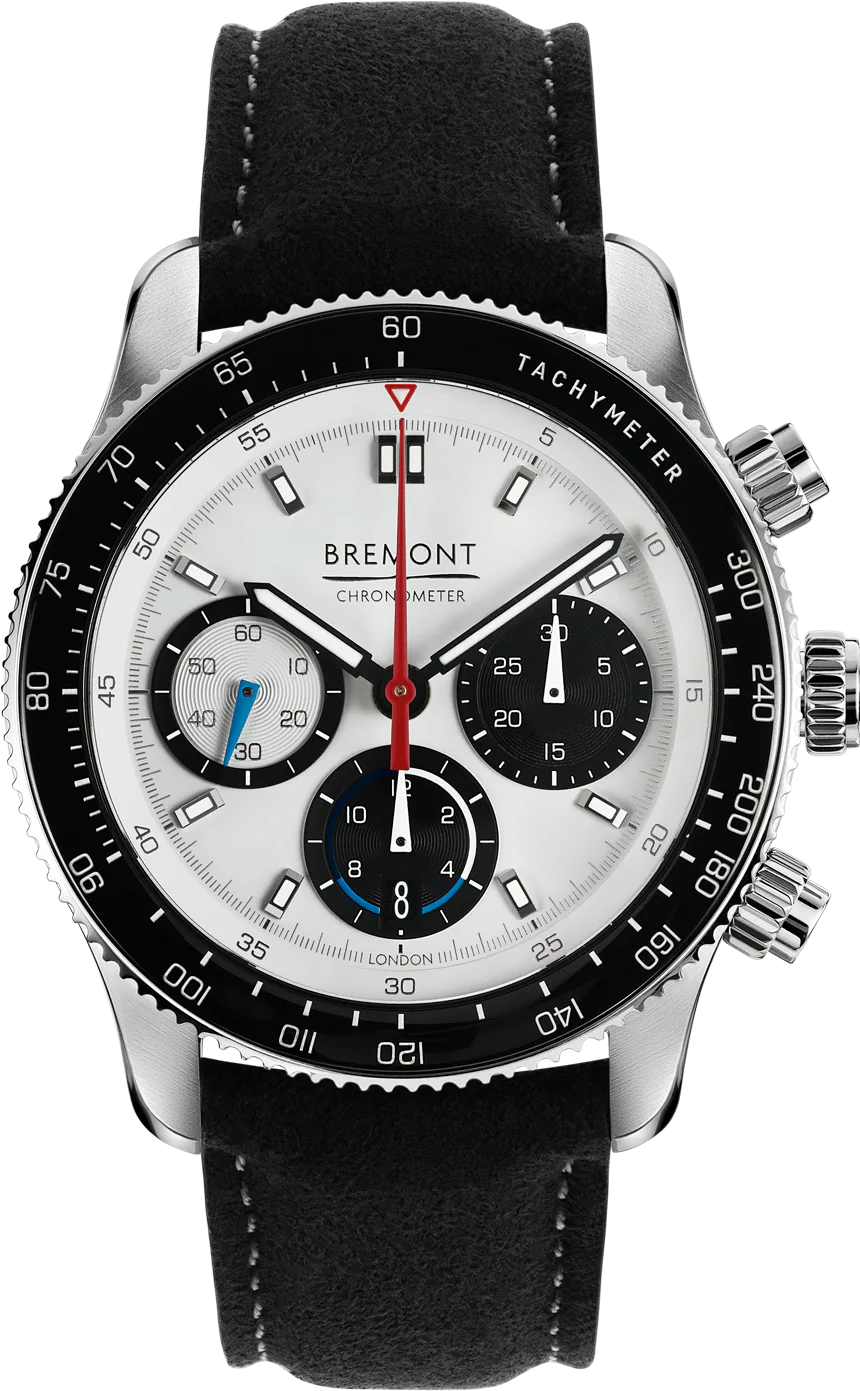
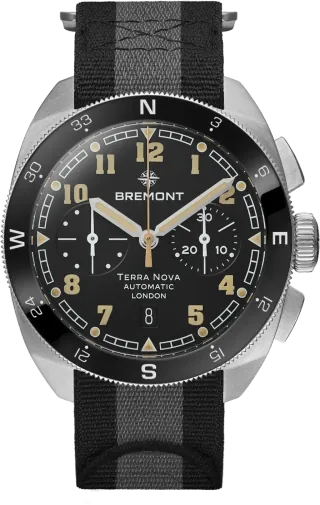
The Bremont Williams Racing features a panda dial with blue accents and a tachymeter bezel, housed in a 43mm TripTick case. It is powered by a chronometer-rated BE-53AE automatic movement with a 42-hour power reserve and a custom rotor. While the 15.8mm height is considered reasonable for a chronograph, the 43mm case size may require trying it on for those preferring smaller watches. Overall, reviewers highlight the motorsport-inspired design and robust build of the Bremont Williams Racing.
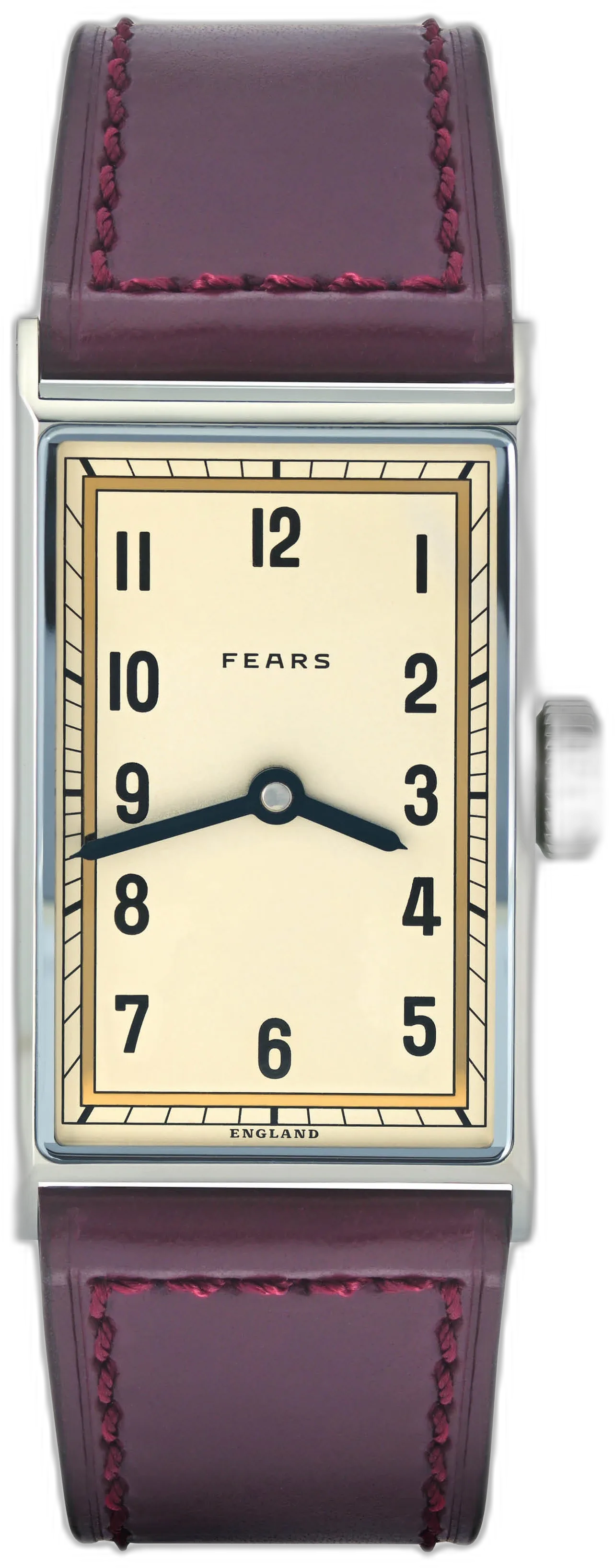
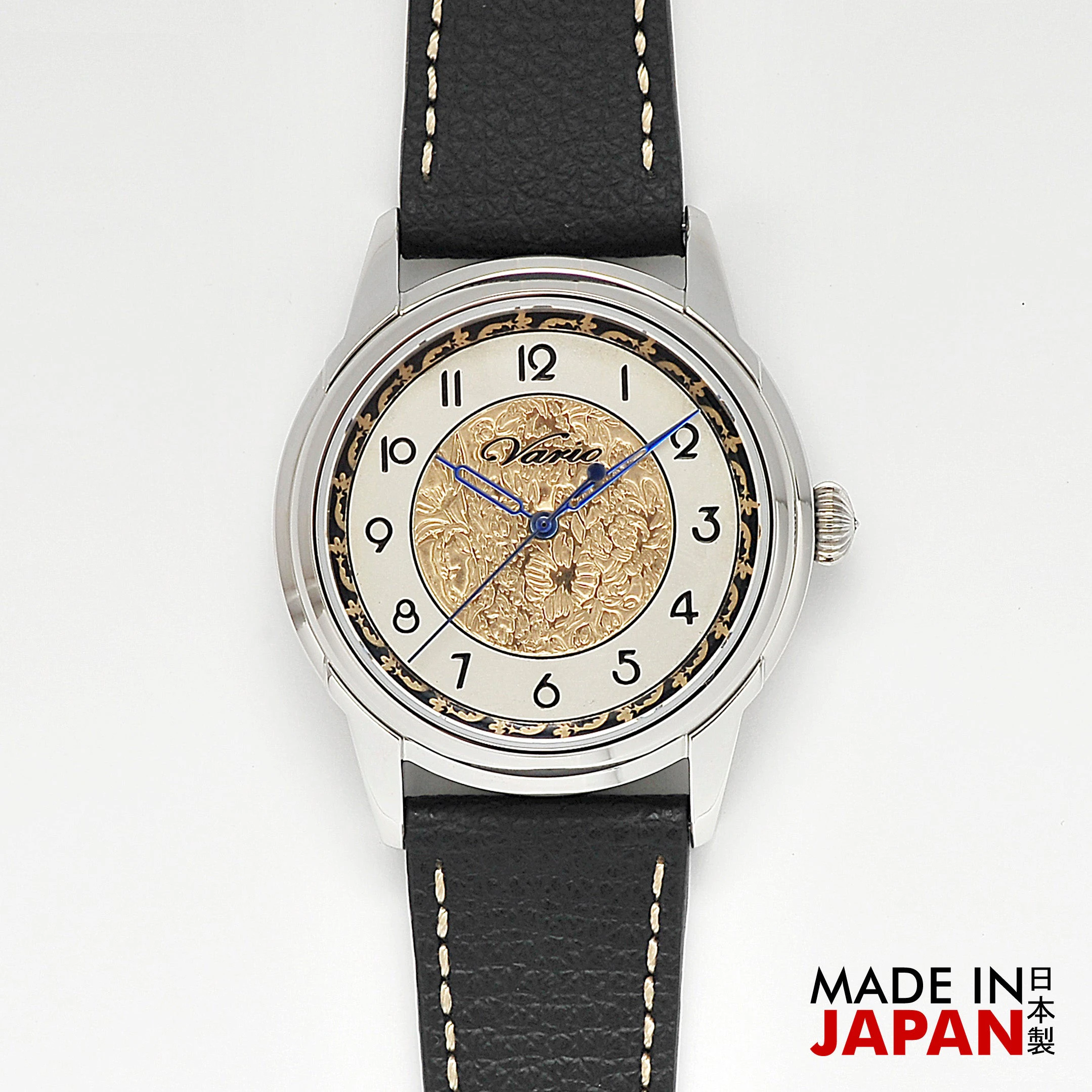
Owners and reviewers widely praise the Fears Archival 1930 for its elegant, vintage-inspired Art Deco styling, featuring a captivating champagne dial with Deco numerals and heat-blued hands. The watch is noted for its comfortable, thin 8.54mm case and surprisingly substantial wearability, even on smaller wrists, due to its curved caseback and light weight. Its pull-out crown is easy to grip and wind, and the use of a new old stock ETA 717 movement from the 1930s adds historical appeal. However, some owners and forum members question its value proposition, citing components like an ETA 7001 movement and a Hong Kong case, with a power reserve of 38-40 hours requiring frequent winding. On balance, owners and reviewers rate the Fears Archival 1930 highly for its unique vintage design and comfortable wearability, despite some reservations about its price relative to its components.
More watches worth a look
Matched to the watches above on size, movement, style and price — microbrands first. Open any one to dig in.
People also compared
Comparisons nearby in the catalog — alternatives to the watches above paired against the matchup.